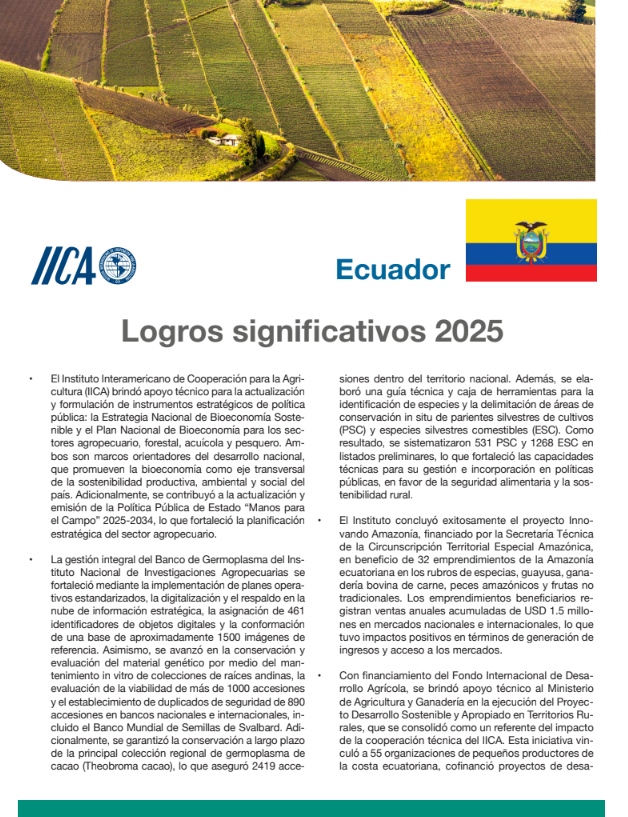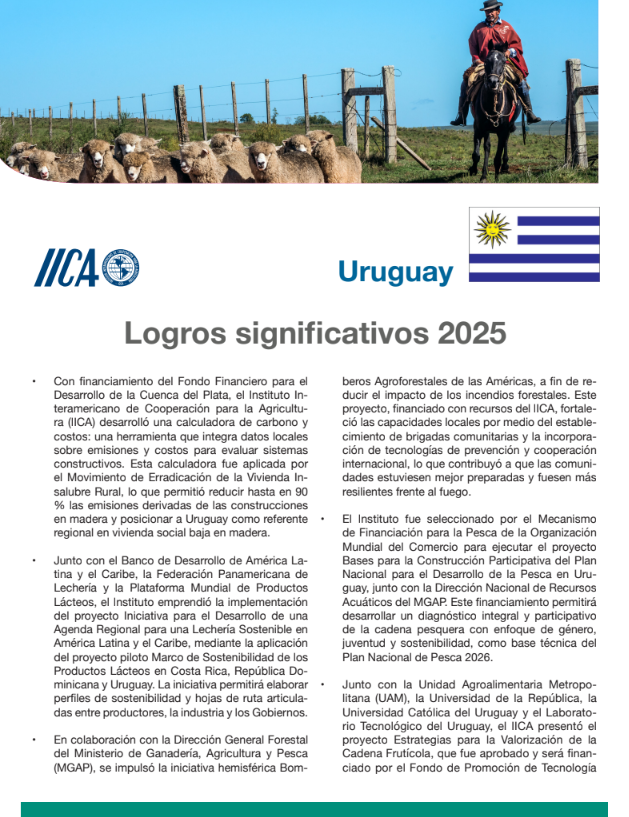
Entrepreneurship in the Ecuadorian Amazon
With funding from the Technical Secretariat of the Special Amazon Territorial Circumscription, IICA successfully completed the “Innovando Amazonía” project.

Inter-American Institute for Cooperation on Agriculture

“The Americas has a historic opportunity to consolidate its role as the key regional supplier of food and nutrition for a global population of almost 10 billion people, providing healthy diets based on more efficient and sustainable production systems. The region has unique advantages—natural capital, science, production diversity, and institutional capacity. However, harnessing these assets to assume a leadership role calls for evidence-based decision-making, strategic investment, solid partnerships, and responsive technical cooperation, geared towards achieving concrete results for countries and rural territories.”
The Inter-American Institute for Cooperation on Agriculture (IICA) is the specialized agency for agriculture and rural development, with a mission to encourage, promote, and support the efforts of its thirty-four Member States in the Americas to achieve agricultural development and rural well-being through technical cooperation of excellence. Its proposed course of action is summarized in Resolution 545 of the Inter-American Board of Agriculture (IABA), adopted in 2023, in which the Institute expands its technical cooperation portfolio to include seven technical programs. IICA’s strategy is outlined in its 2022-2026 Medium-term Plan, a business model with objectives that set out how the Institute will add value to its member countries, and five strategic statements that provide the framework for the expected results of its technical cooperation.

member countries
technical initiatives
results achieved
results achieved
counterparts
beneficiary producers
The Institute is assisting the countries of the Americas to transition to a new generation of public policies for agrifood systems, based on evidence, technical dialogue, and regional cooperation. To that end, it is fostering the generation of strategic information; facilitating opportunities for collaboration among governments, international organizations, research centers, and production stakeholders; and providing support for the development of mechanisms that will facilitate better decision-making, more targeted investments, and the scaling up of effective solutions.
This publication, led by IICA and prepared by more than forty-five technical experts from ECLAC, FAO, and CAF–Development Bank of Latin America and the Caribbean, positions agricultural activity—driven by adequate financing and innovations in policies, institutions, financial and technological instruments—as a strategic pillar for strengthening agrifood systems in Latin America and the Caribbean (LAC). Find out more here
The technical cooperation of the Institute in 2025 sought to transform the priorities of the Member States into concrete solutions, stronger institutional capacities, and verifiable results for agriculture and rural life in the Americas. IICA’s hemispheric presence enabled it to serve as a technical catalyst, a partnership facilitator, and a bridge between evidence, innovation, public policies, markets, and territories. The results achieved reflect cooperation with a focus on generating practical value for the countries, by modernizing institutions, strengthening capacities, mobilizing resources, facilitating trade, promoting innovation, and providing support in building more sustainable, competitive, and resilient production processes.
stakeholders in the scientific, business, and social ecosystem of the Americas gained a greater appreciation of the potential of the bioeconomy in each of their sectors.
specialized conferences, courses, and workshops to drive the development of technical and business skills.
decision-makers from ministries; regulatory agencies; science, technology, and innovation (STI) institutions; and public entities in LAC strengthened their capacities to formulate and implement strategies, policies, regulations, and regulatory frameworks.
offered by the Institute in conjunction with Universidad Tecnológica de Pereira, Pontificia Universidad Javeriana de Cali, CATIE, and Parques Nacionales Naturales of Colombia.
High-level events presented evidence and technical messages, and highlighted cases that strengthened regional visibility and provided an opportunity for coordination to develop joint positions, identify common principles, and devise joint strategic messages.

The Institute signed a cooperation agreement with Virginia Tech’s GAP Initiative and co-authored the chapter “The Americas Bioeconomy: A Driving Force for Prosperity” in the 2025 GAP Report, which allowed it to consolidate its leadership role in the global bioeconomy agenda. Moreover, through its Innovation and Bioeconomy platform, IICA promoted technological convergence and system integration in high-level technical and policy forums.
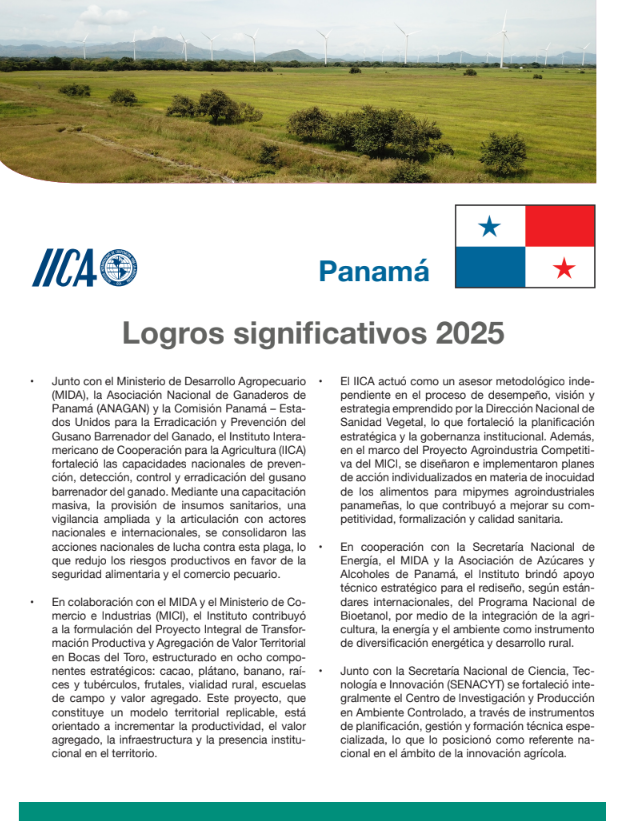
The technical cooperation that the Institute provided to the National Energy Secretariat, the Ministry of Agricultural Development (MIDA), and the Panama Sugar Association positioned the Innovation and Bioeconomy Program as a key instrument for energy diversification and rural development, by promoting a sustainable model that integrates production innovation with the energy security of the country.
The ROOT project facilitated the transfer of advanced industrial knowledge from EMBRAPA and Podium Alimentos to the Caribbean Community (CARICOM). Technical missions were undertaken to Brazil to identify high-yield cassava varieties and rapid seed propagation technologies adapted to the Caribbean climate, thus equipping companies in the region with the capacity to undertake industrial processing of starch and artisanal beer.
A new web page was developed in collaboration with the presidents of the national agriculture research institute’s (NARIs) and the ministers of the member countries.
presented the main historic contributions of the Cooperative Program for Agrifood and Agroindustrial Technology Development in the Southern Cone (PROCISUR) in strategic forums such as COP30.
was institutionalized as a management tool by EMBRAPA and the National Agricultural Institutes (NARIs) of Chile and Uruguay.
on the guide was held at the XV Ibero-American Congress on Science, Technology, and Gender in Uruguay, with a view to entertaining suggestions and comments from the forty-five specialists, as a means of improving the tool.
In 2025, the Government of Honduras spearheaded efforts to bolster food security and rural competitiveness through the technical and administrative execution of the national production subsidies programs.
farmers from the agriculture, coffee, and livestock sectors benefitted from the Technological Productive Subsidy, the Coffee Subsidy, and the Livestock Subsidy.
manzanas of coffee were renovated thanks to these programs and there was mass distribution of critical inputs (ranging from seeds of basic grains and improved forage to precision technology, such as electric milking machines and drones).
producers were trained in agricultural management, trade, and health. This comprehensive approach increased technology adoption in rural areas, with solar drying and mechanization infrastructure.
Spearheaded by:

Propagation of 10,000 plantlets from the Cades Bay Pineapple Station, in collaboration with the Government of Antigua and Barbuda and the Eastern Caribbean States, thus contributing to the production rehabilitation of the Black Pineapple.

Training of 20 farmers in integrated pest management and optimal nutrient use, thus strengthening the Barbados papaya industry. The training was organized in conjunction with the Ministry of Agriculture, CARDI, the University of the West Indies, Caribbean Chemicals, and Massy Stores.

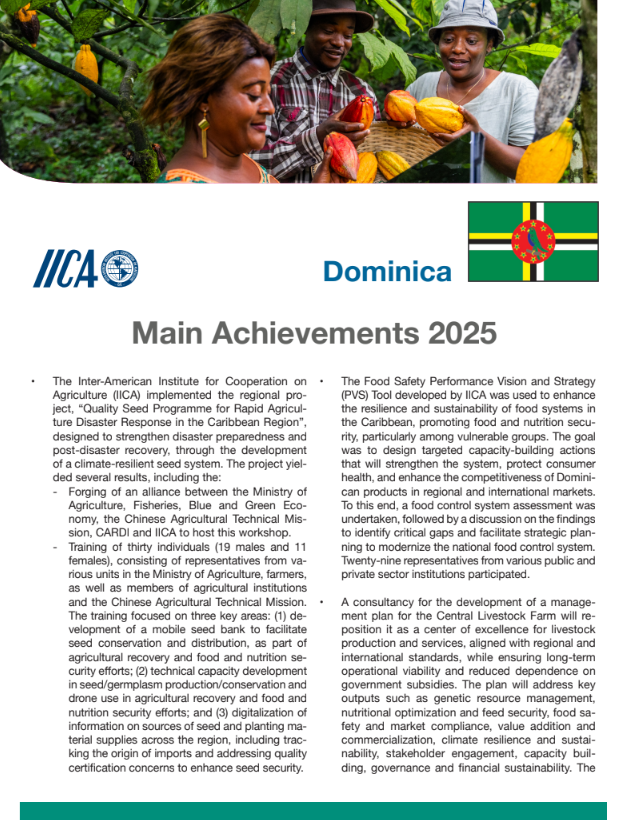
Transformation of the Central Livestock Farm in Dominica into a regional center of excellence, by introducing an innovative management model that aligns production with international standards, thereby optimizing genetic and nutritional resources, and reducing dependence on subsidies.

30 investment plans modernized farms and processing plants linked to the Queso Turrialba denomination of origin and their producer associations, through the “De Turrialba a la Mesa” project, funded by Fundación CRUSA.

+232,000 pounds of vegetables in a single crop cycle demonstrates the impact of the RECETO project. Under Phase I of the project, the country transitioned from a basic assistance model to precision agriculture with automated irrigation systems, which stabilized production in vulnerable regions, such as Chalatenango. Phase II incorporated a trade intelligence component, ensuring that 75.5% of the existing infrastructure could operate efficiently and establishing a resilient agribusiness model.

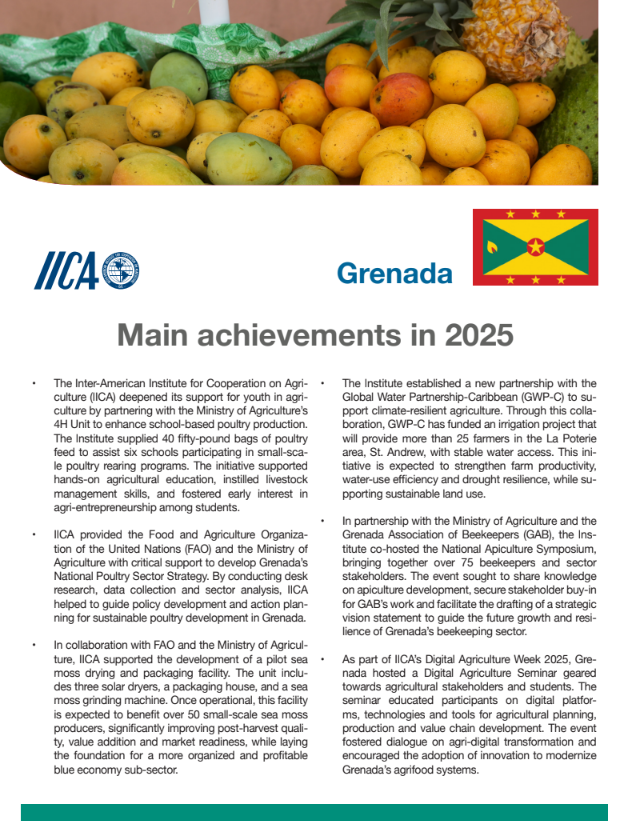
Technology integration into the “blue economy” in Grenada via an agroindustrial model with a low carbon footprint. By shifting away from artisanal drying to a pilot facility with solar dryers and grinding systems, this initiative, implemented in partnership with FAO and the Ministry of Agriculture, transformed sea moss from a bulk raw material into a high-value processed product.

The maintenance of 2,419 accessions of cocoa (Theobroma cacao) under digital standards and with international safety duplicates are a reflection of the modernization of the Genebank of Ecuador’s National Agricultural Research Institute (INIAP). The assigning of digital object identifiers (DOI) and the creation of technical guides also strengthened conservation and the genetic base of the country.

Implementation of the innovation program of the Paraguayan Agricultural Technology Institute (IPTA), funded by the IDB, through the mobilization of high-level specialists to build productivity, innovation and value chain development capacities.

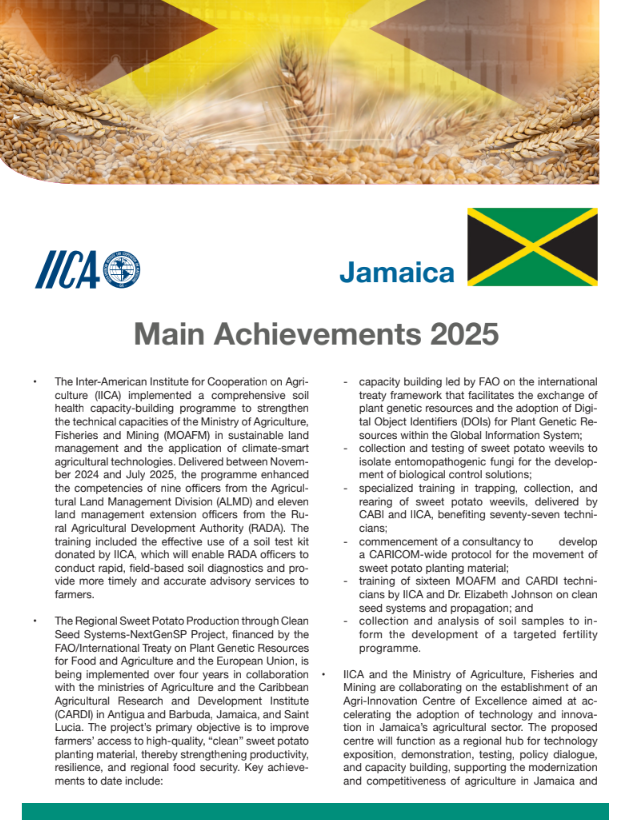
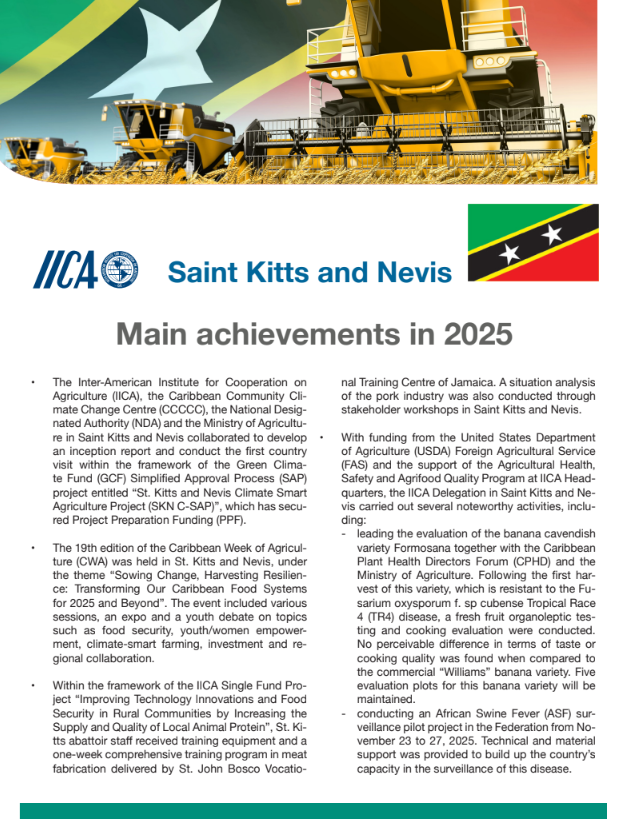
Strengthening of the animal protein supply through the donation of specialized equipment and training of staff of the Saint Kitts Abattoir in advanced meat processing techniques, with the support of the St. John Bosco Vocational Training Center (SJBVTC) in Jamaica.

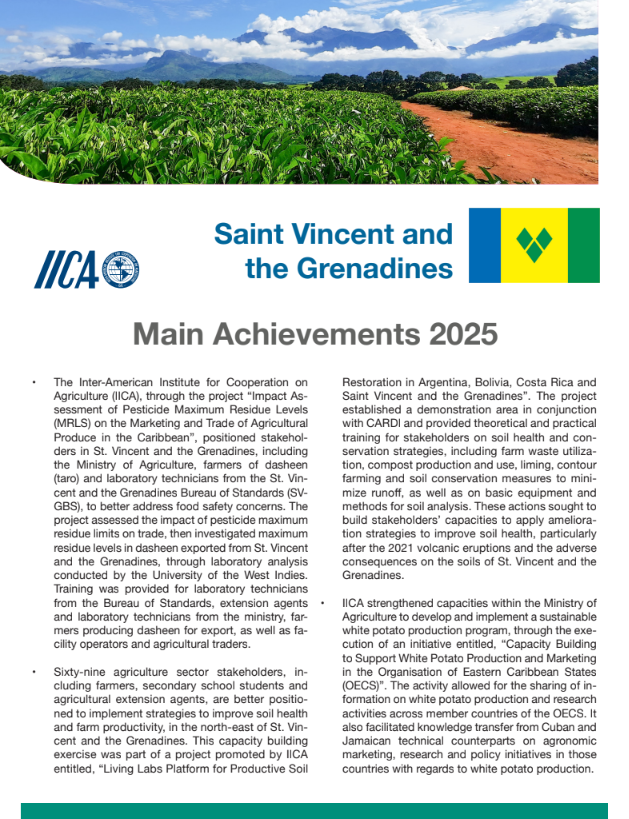
Capacity development at the Ministry of Agriculture of Saint Vincent and the Grenadines to implement a sustainable production program for white potato, under the “Strengthening Capacities for White Potato Production and Marketing in the Organization of Eastern Caribbean States” initiative.

Revitalization of the production of Moruga Hill heirloom rice (a crop with a 500-year history), by fusing ancestral knowledge with modern water management and governance solutions, in partnership with the Moruga Hill Rice Multipurpose Cooperative Society, the World Food Program (WFP), and Celsius Valens Ltd.
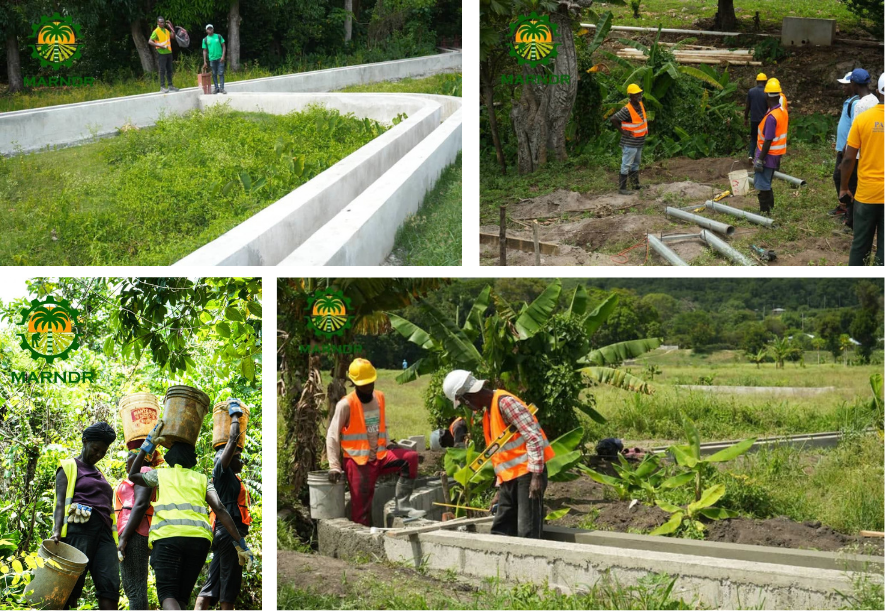
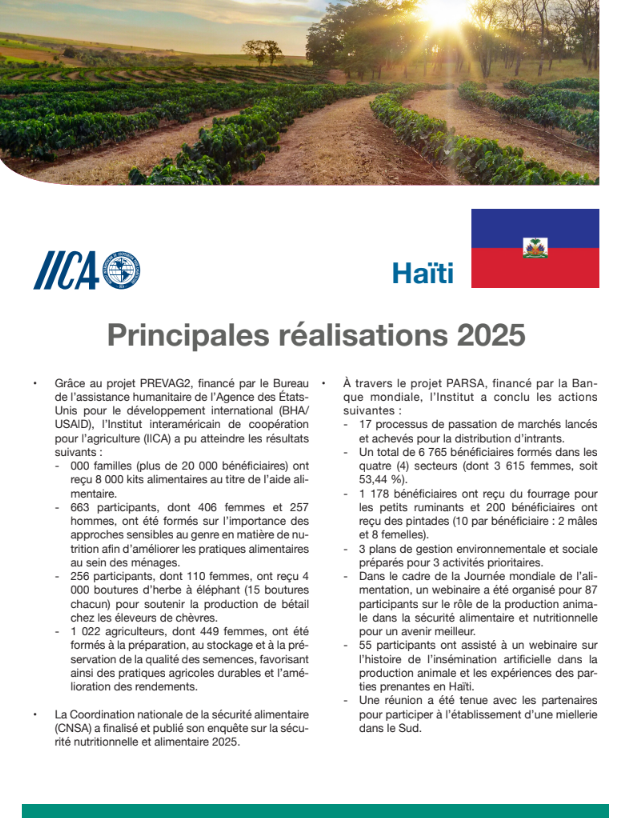
The Emergency Resilient Agriculture for Food Security (PARSA) project, funded by the World Bank.
trained, 0 of whom were women, thus contributing to female empowerment in the rural sector.
from three environmental and social management plans that facilitated the distribution of forage to 1,178 individuals and the handing over of poultry production inputs, as a means of ensuring sustainability.
exchanged technical knowledge, laying the foundation for resilient and modern animal production.
IICA provided technical knowledge to produce specific varieties suitable for puree, fries (sticks and wedges), and animal feed.
Facilitated the shipping of sweet potato weevils to CABI-UK for the development of biopesticides and coordinated with the United States Department of Agriculture (USDA) center in Beltsville, Maryland to produce “clean” planting material for tissue culture propagation of three key varieties.
Funded by the International Treaty on Plant Genetic Resources for Food and Agriculture, this initiative is empowering farmers in Antigua and Barbuda, Jamaica, and Saint Lucia to move away from subsistence farming and access high-value processed markets.
In response to a mandate from CARICOM, the Institute bolstered regional agricultural extension services by facilitating university certification of experts in eight countries.

This initiative will be further strengthened in 2026, when IICA, with funding from the EU, will strengthen the capacities of 150 additional officials.
It will enable the region to build a high-level technical network to ensure productivity, modernization, and sustainable food security throughout the Caribbean.
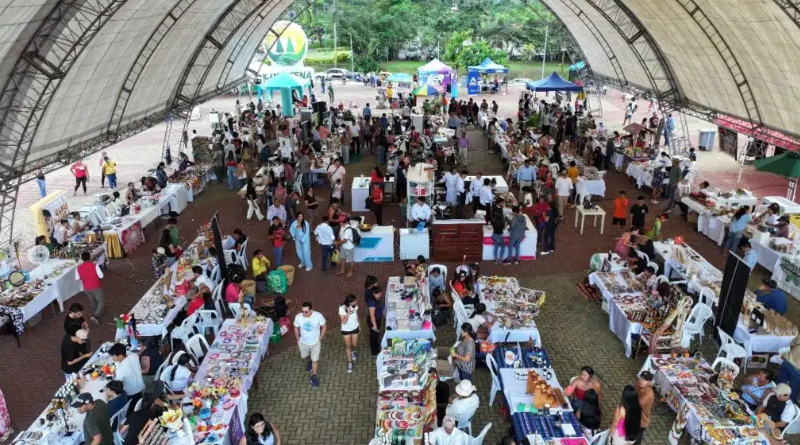
With funding from the Technical Secretariat of the Special Amazon Territorial Circumscription, IICA successfully completed the “Innovando Amazonía” project.
Businesses provided with support through involvement in the production of strategic commodities, such as guayusa (a local tea), spices, livestock, and non-traditional fruits.
In annual sales achieved thanks to the initiative, thus positioning Amazonian products in the national and international market, while also boosting income generation and increasing the competitiveness of local producers.
15 countries were introduced to a methodology for developing legality matrices for the purpose of due diligence, through a regional workshop on “Legality Matrices and National Risk Reports: Tools for Dialogue and Compliance with Regulation (EU) 2023/1115”.
Through the publication "Trade in Deforestation-free Products and Forest Degradation ".(in Spanish only) the member countries of the Institute were provided with strategic information related to good practices, skills gaps, and priority actions to facilitate compliance with the European regulation.
The Institute also published complementary publications on Good Public and Private Practices to Adapt to European Regulations in Latin America, along with case studies on the palm, cocoa, coffee, soybean, beef, and timber value chains.
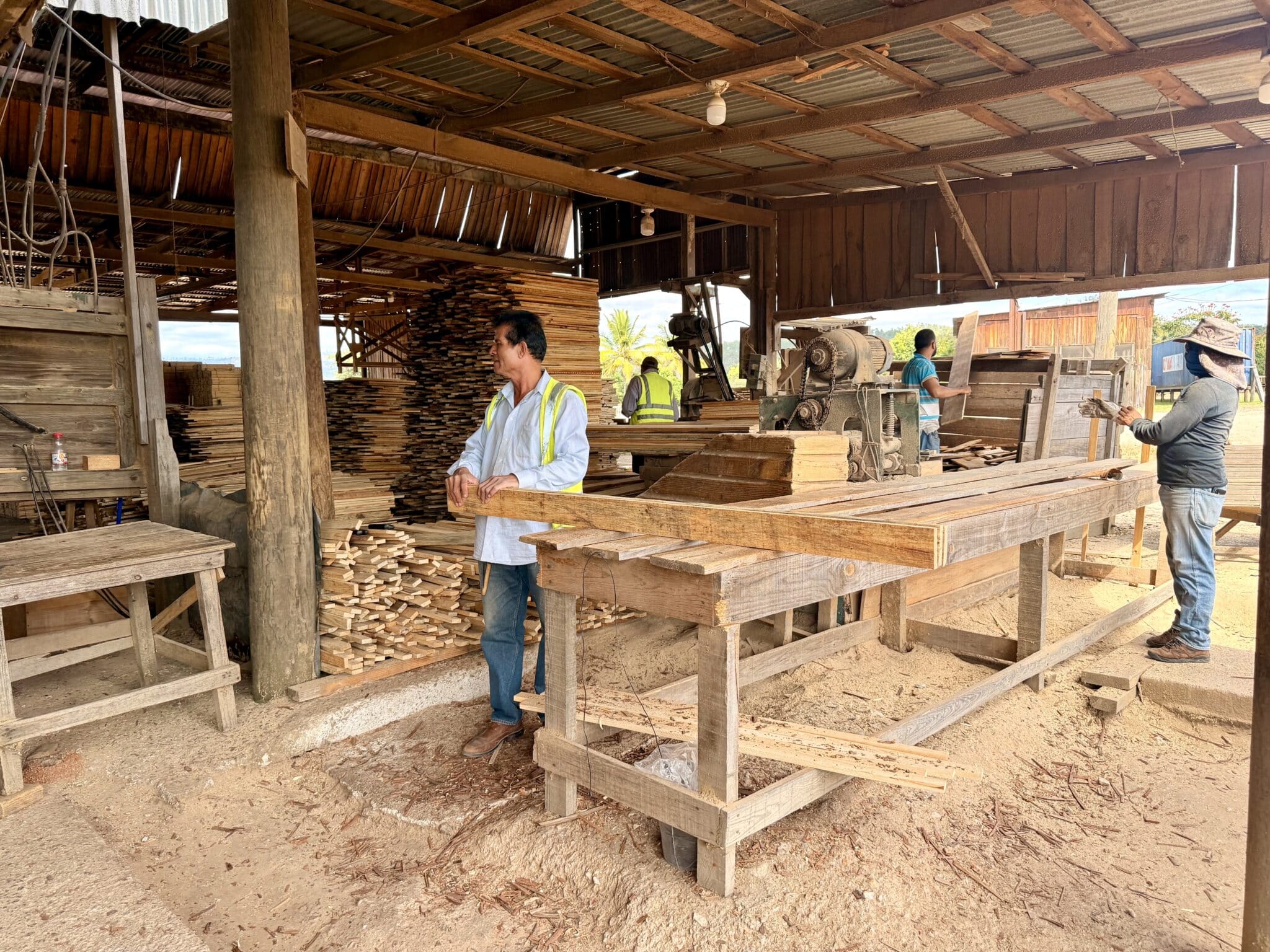
In Honduras, the Bosques Vivos project, funded by the European Union and implemented with the technical support of IICA, strengthened forest governance and the implementation of the AVA-FLEGT agreement.

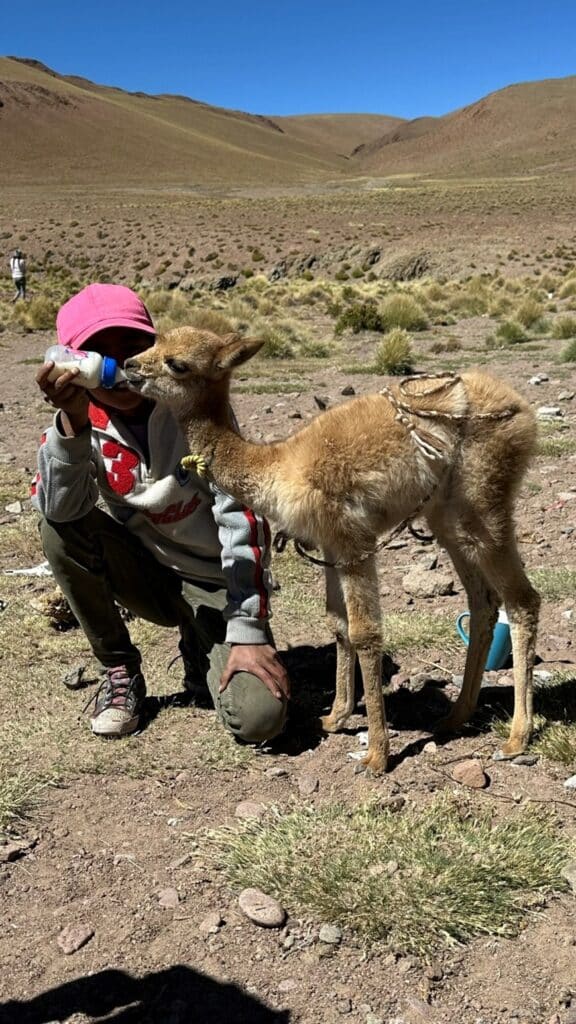
+160 producers benefitted from the modernization of the hydrometeorological monitoring network in the Lípez subbasin.
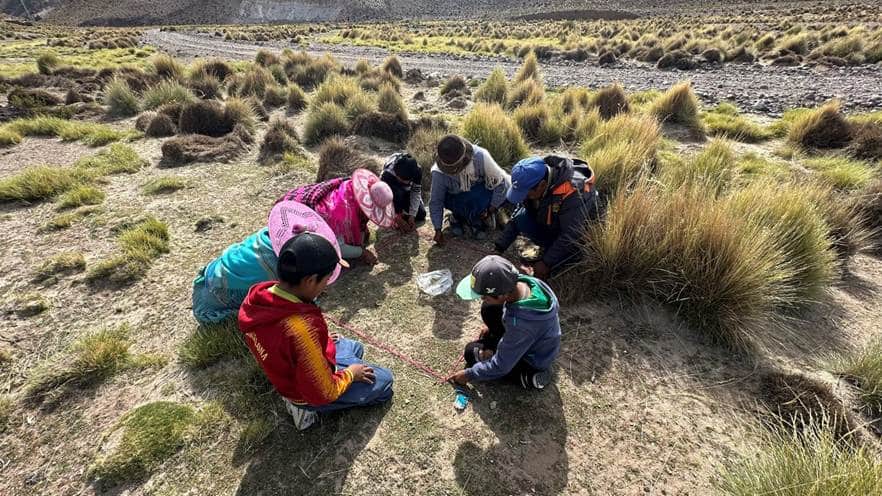
The partnership facilitated the expansion of the initiative to include the conservation of 25 wetlands in 12 municipalities, located in Ramsar Sites of international importance (Titicaca, Poopó-Uru Uru, Lípez).
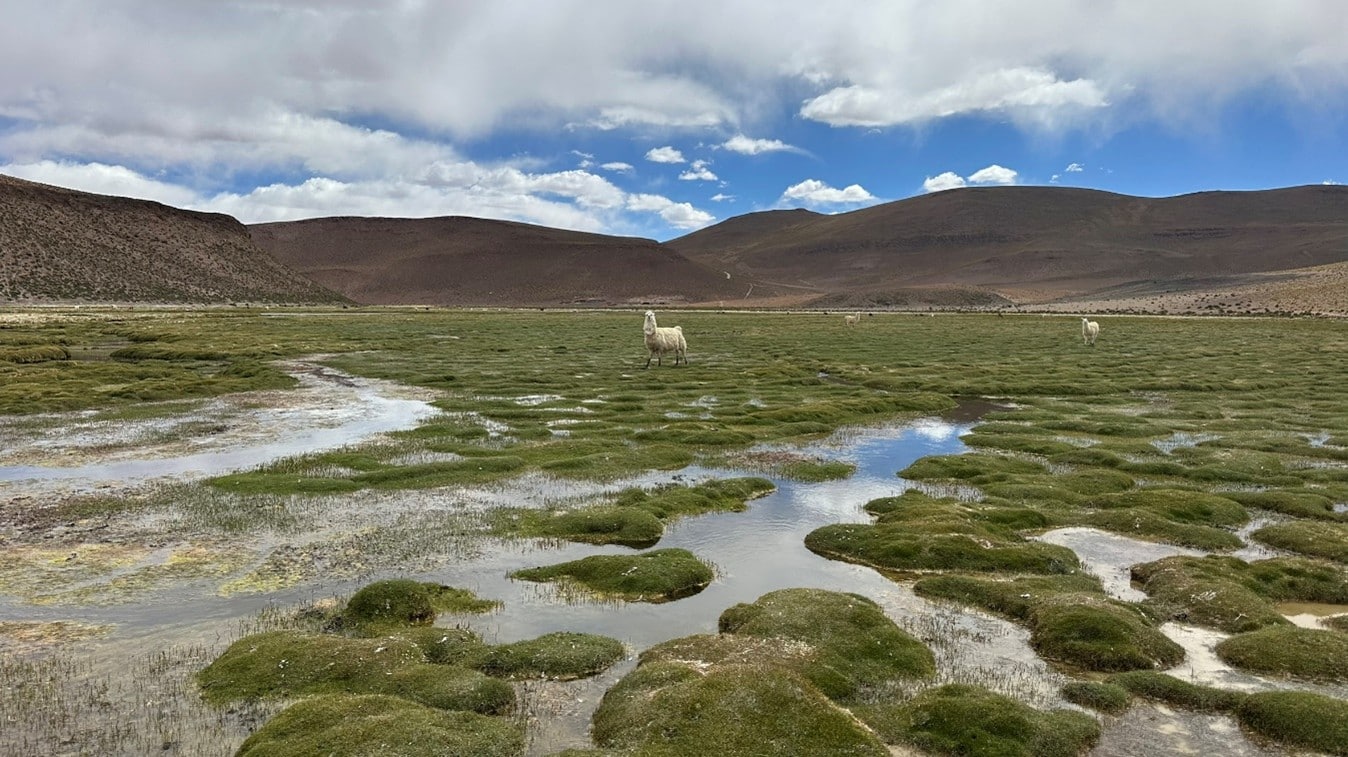
Incorporation of cutting-edge research on the carbon balance within the framework of the Living Soils of the Americas initiative.
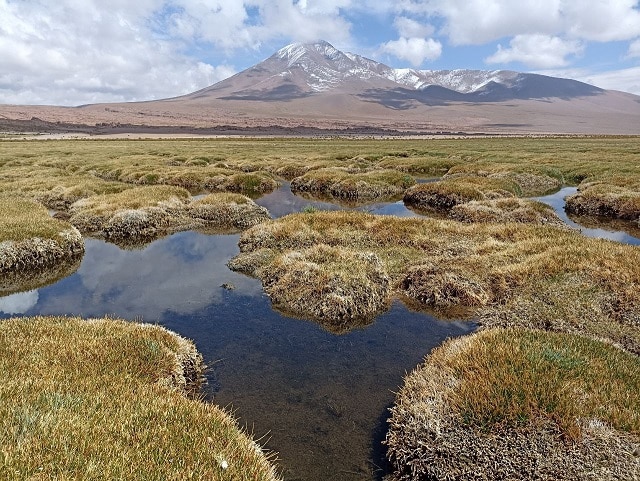
Preparation of a concept note to request resources from the Green Climate Fund (GCF), thereby guaranteeing the long-term sustainability of these critical ecosystems.
Together with Chile’s NARI and the Global Methane Hub, low-methane rice cultivation was promoted in the Southern Cone, through the implementation of efficient irrigation systems in Maule and Nuble (Chile).
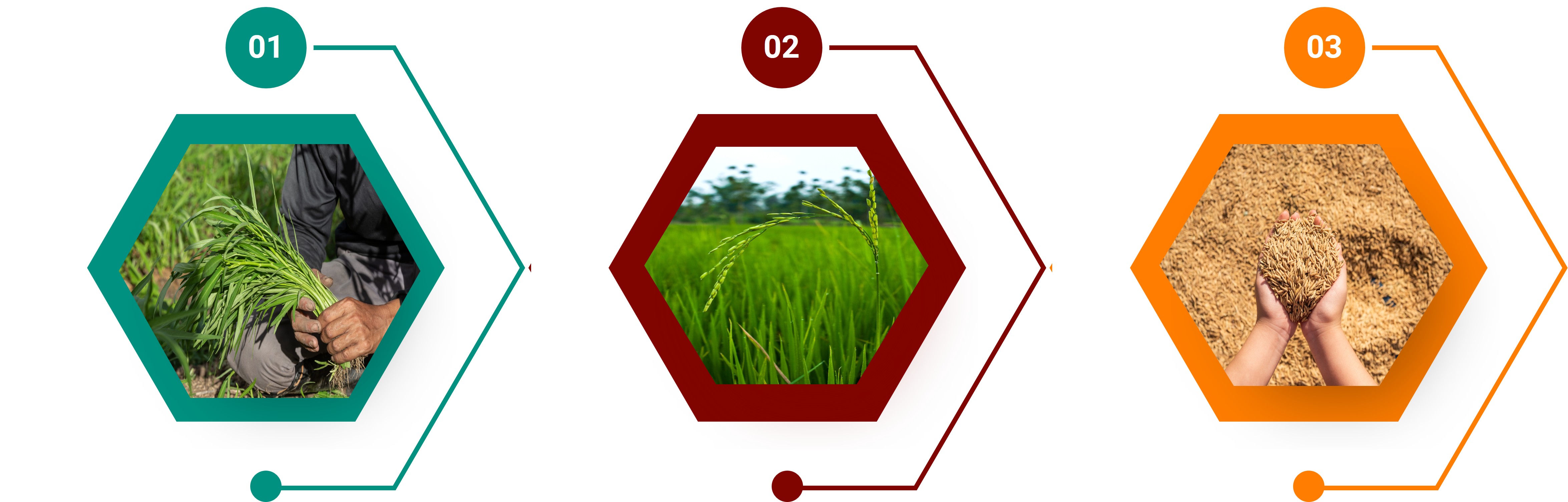
This model achieved a drastic reduction in water use (from 25,000 to 11,000 m³ per hectare) and reduced methane emissions.
Efforts were undertaken in Chile to promote this system in Argentina, Brazil, Ecuador, and Uruguay.
In collaboration with the Climate & Clean Air Coalition (CCAC), the Institute developed a roadmap to provide producers with access to carbon markets and payment for environmental services systems.
"Sowing Change, Harvesting Resilience: Transforming Our Caribbean Food Systems for 2025 and Beyond"
This event, which was organized by the Institute and Caribbean partners, focused on four critical pillars:
The "Agroforestry Firefighters of the Americas" initiative integrates cutting-edge technology and community action to protect biodiversity in critical areas of the hemisphere.
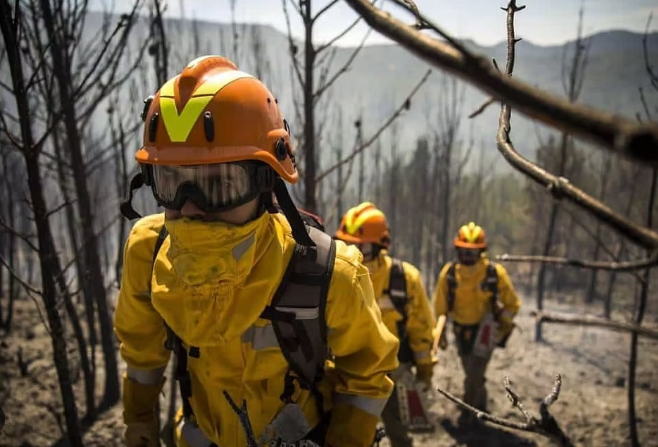

The Forest Fire Geovisor was launched and firefighting brigades in Guanacaste were strengthened, in collaboration with the National Commission on Wildfires (CONIFOR), the National System of Conservation Areas (SINAC), and the Ministry of the Environment and Energy (MINAE).


Through the Raíces Agroecológicas project, integrated fire management was promoted in traditional settlements and villages, through the provision of specialized equipment, in partnership with Brazilian Institute of the Environment and Renewable Natural Resources (IBAMA), the National Center to Prevent and Combat Forest Fires (PREVFOGO), and Brazil’s Ministry of the Environment.
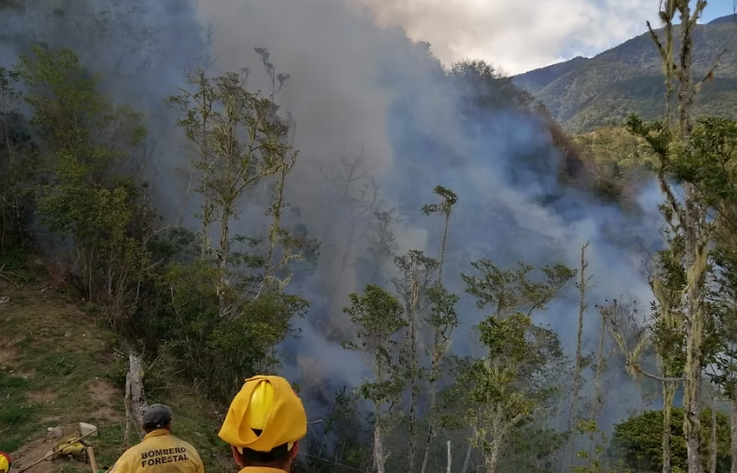
Through a partnership between the National Forestry Corporation (CONAF) and the Forestry Institute (INFOR), local producers were provided with prevention plans and cisterns.


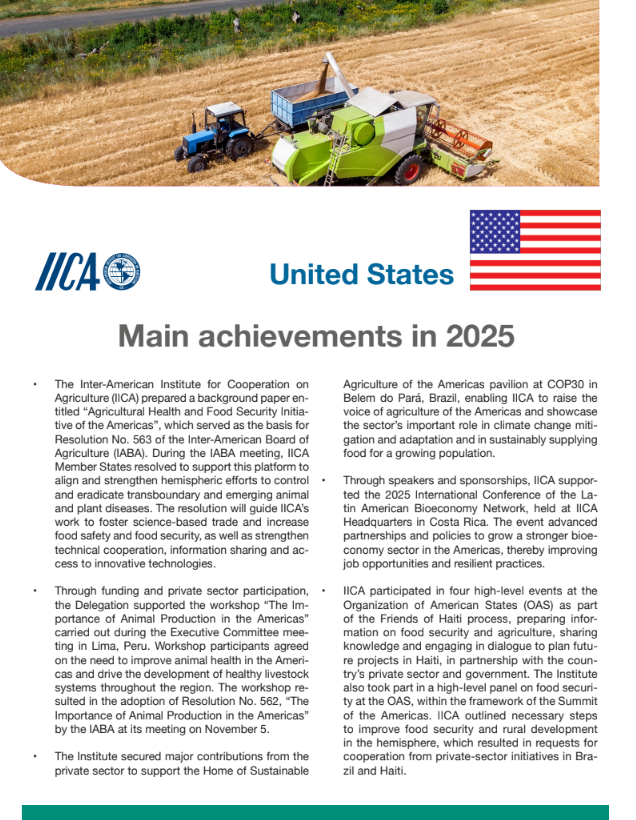
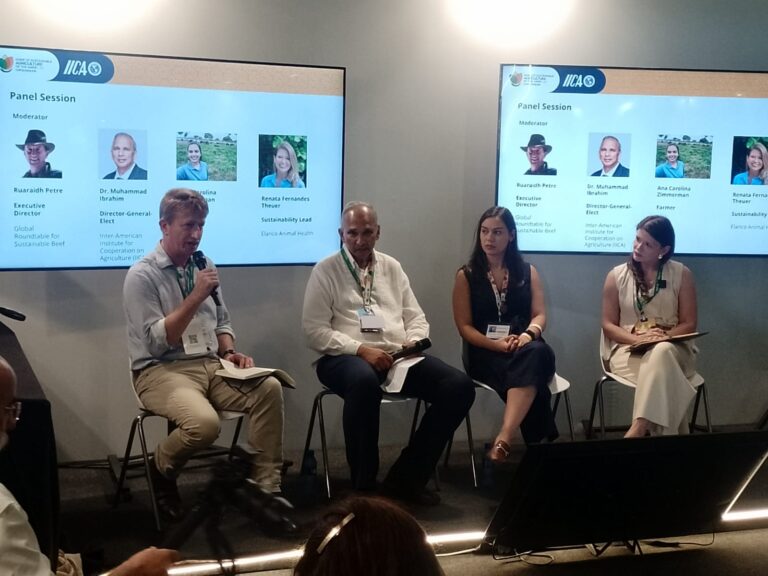
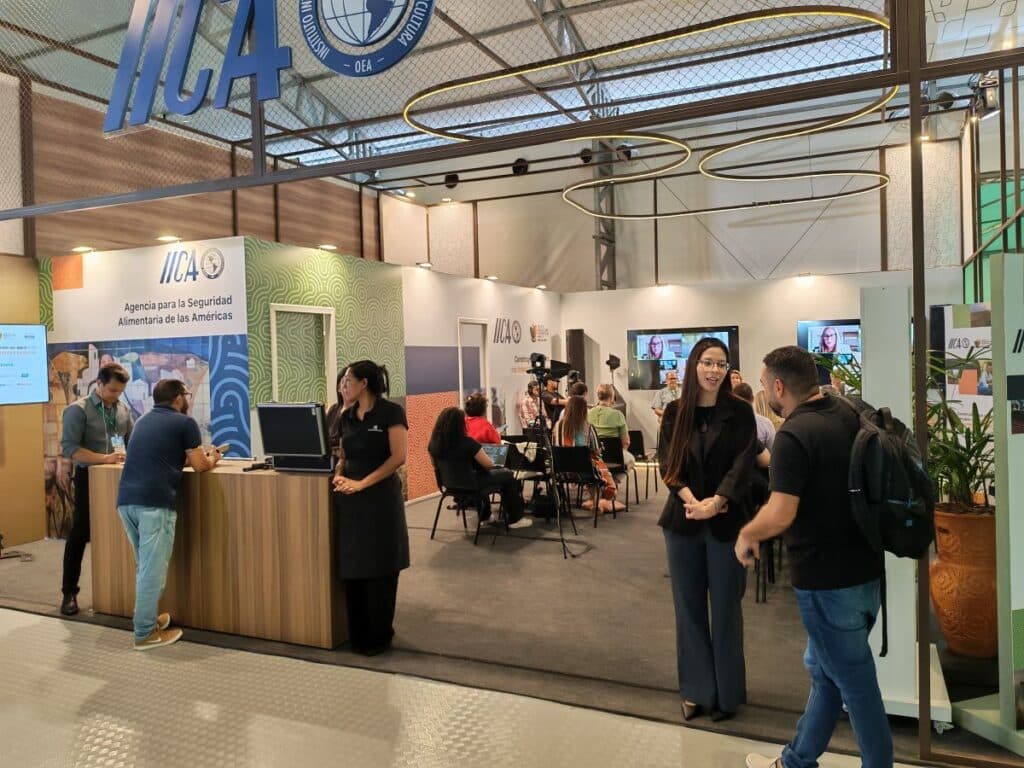
IICA forged strategic partnerships with the private sector to install the “Home of Sustainable Agriculture of the Americas” pavilion at COP30, held in Belém do Pará, Brazil. The pavilion assisted in positioning the agriculture sector of the hemisphere as a source of solutions to climate challenges, highlighting innovations in mitigation and adaptation. The resources that were mobilized enabled the Institute to amplify the voice of producers of the Americas in the global community and to reaffirm its commitment to providing an ever-growing global population with a sustainable food supply.
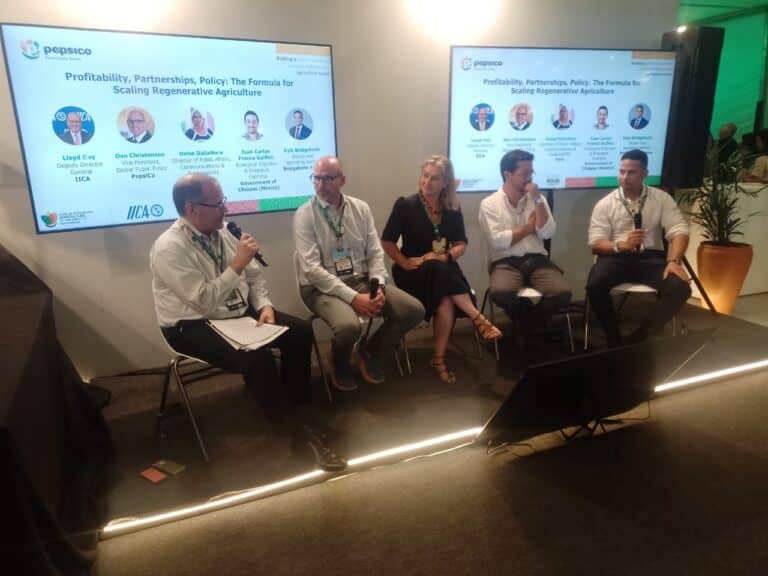
The Institute contributed to strengthening countries’ capacities in the fields of agricultural health, food safety, and institutional sustainability, through a series of high-value technical products, including the following:

“Integrated Management of Agricultural Health and Biosecurity” (chapter - ISBN 978-92-9273-183-0).

Interventions to Mitigate AMR in Swine (ISBN: 978-92-9273-031-4).

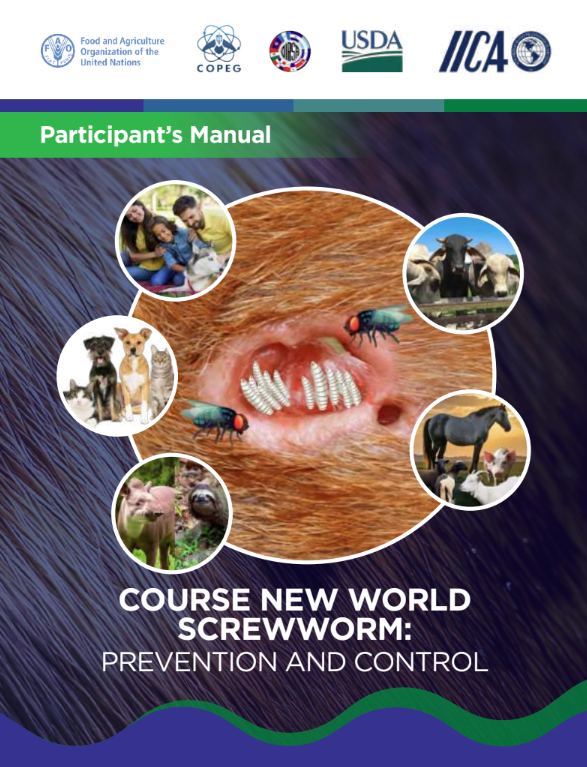
New World Screwworm: Prevention and Control, including a Trainer’s Guide and Participant’s Manual.

FDA rules regarding water for agriculture and updates in 2025.
Hover your cursor over the cards to learn more.
The Institute is leading an EU-funded initiative to eliminate sanitary and phytosanitary barriers in the Caribbean and optimize trade in agrifood and fisheries products.
By strengthening the regulatory environment and delivering technical training to authorities and businesses, the project is eliminating operational bottlenecks that hinder compliance with regulations.
Regional processing and distribution capacities were improved, thus ensuring smoother, safer, and more competitive trade
With the support of the European Union
IICA successfully completed the cadmium management project in cocoa, with support from the STDF and the EU.
This joint effort strengthened the export competitiveness of Trinidad and Tobago, Colombia, Ecuador, and Peru, by ensuring that their production systems could meet strict European safety standards.
It included the publication of a specialized extension manual.
technical specialists from the Institute completed the International Online Course on Veterinary Phytotherapy, organized by the Inter-American Commission for Organic Agriculture (ICOA).

The Institute strengthened capacities in animal health and fostered sustainable production practices to reduce the use of antimicrobials.

A pillar of IICA’s technical cooperation, this initiative has achieved historic milestones in biosecurity and animal health.
It is funded by the USDA’s Animal and Plant Health Inspection Service (APHIS) and jointly implemented with the Ministry of Agriculture, the General Directorate of Livestock and the International Regional Organization for Plant and Animal Health (OIRSA).
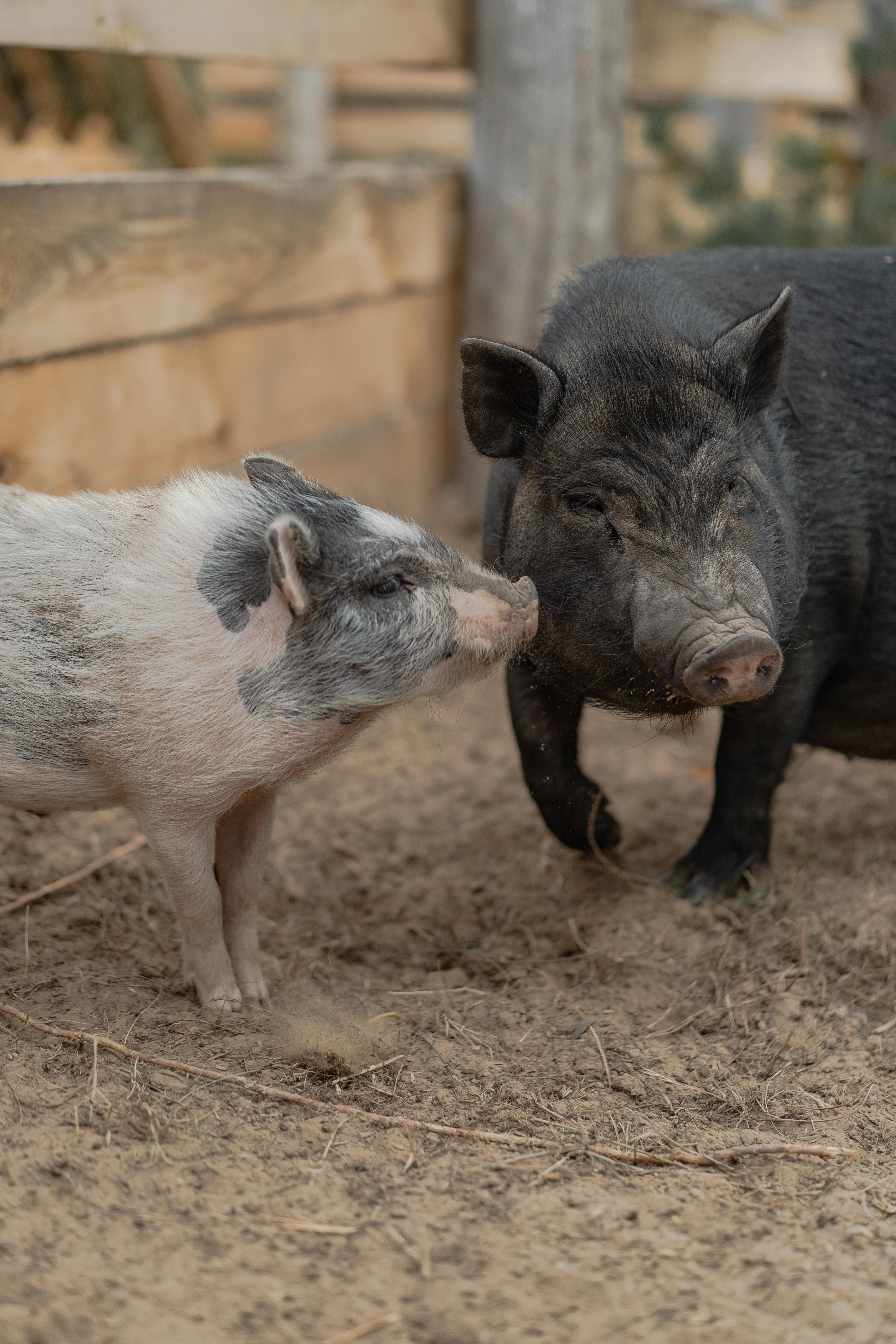
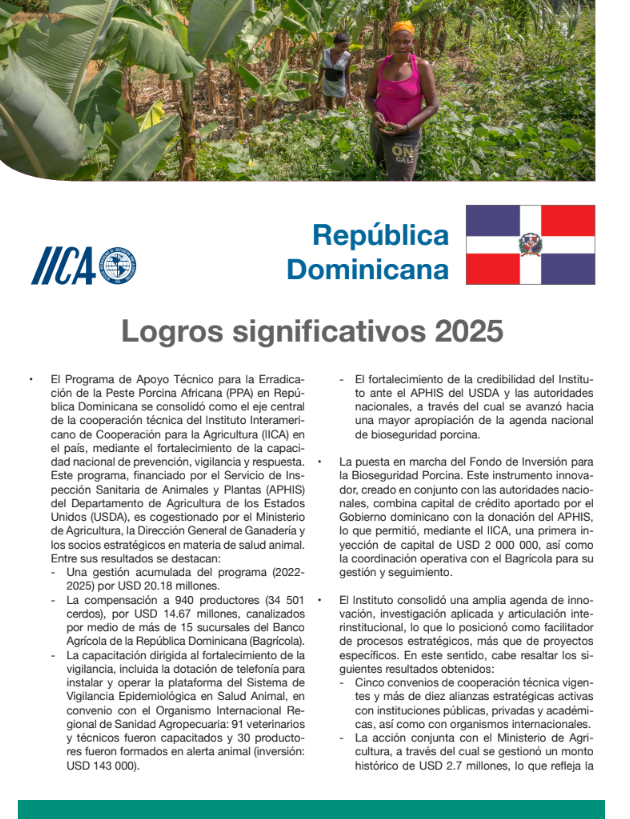
The program has managed an investment to compensate 940 producers for the loss of more than 34,000 pigs and has fostered the modernization of epidemiological surveillance, by providing training to veterinarians and technical specialists through OIRSA’s SIVESA digital platform.
With the support of:

The strategic partnership between IICA and APHIS has facilitated the establishment of a critical regional front to contain the New World screwworm in Central America, through the deployment of a large-scale operation that included technical training, the provision of medical supplies, and funding.

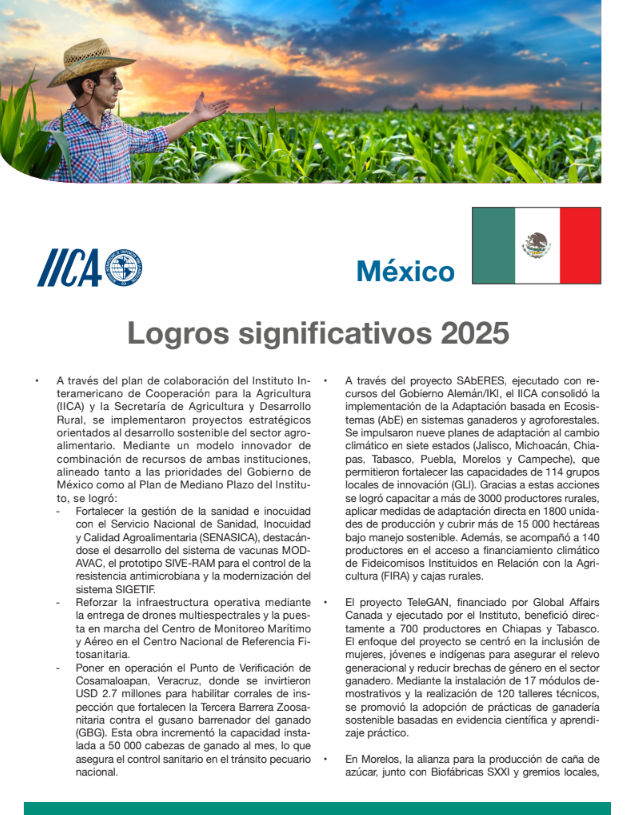
The Cosamaloapan Checkpoint in Veracruz was put into operation, following a USD 2.7 million investment to set up inspection pens to strengthen the country’s third zoosanitary control barrier against the New World screwworm and to increase its installed capacity to 50,000 head of cattle.
An evaluation of the efficacy of the organic treatment Aluen CAP® was undertaken as part of a technical study on combatting the Varroa destructor pest in honeybee colonies. The initiative, implemented in collaboration with the Ministry of Agriculture, Food Security, and New Growth Industries (MAFSNGI) and local beekeepers, applies standardized protocols to evaluate effective and sustainable solutions.

Epidemiological surveillance programs for bovine tuberculosis and brucellosis were strengthened, with the aim of achieving disease-free status for the country.
A strategic partnership with the National Agricultural Health Service and the German Agency for International Cooperation GIZ enhanced the resilience of the banana and plantain industry, by strengthening national capacities to address Fusarium oxysporum Raza 4 Tropical (Foc R4T).
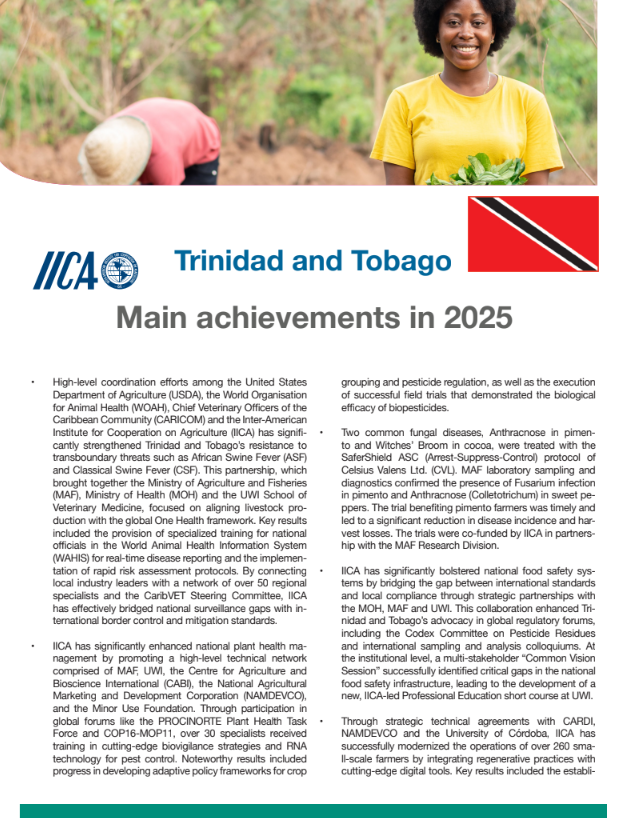
In partnership with the Research Division of the Ministry of Agriculture and Fisheries and Celsius Valens Ltd., the SaferShield ASC protocol was implemented to combat critical fungal diseases , such as anthracnose in pimento and witches’ broom in cocoa.
Various actions undertaken by the FabLab have enabled IICA to foster broader access to technology innovation.
7 editions of the Women in Geospatial Technologies Rally, empowering 1,000 rural women in this area.
Certification of250 individuals in key digital competencies, through a strategic partnership with Costa Rica’s Ministry of Science, Innovation, Technology, and Telecommunications (MICITT).
Training of specialists in advanced hydrological modeling, through the GEOGLOWS initiative, which will contribute to environmental sustainability.
Regional Market Information System, which assists Caribbean ministries of Agriculture to determine product availability for markets, as well as the AgriExpAPP application, which provides information on good agricultural practices.
Digital Auction System, jointly developed with the Comprehensive Agricultural Marketing Program (PIMA), which automates the process of purchasing and selling domestic products.
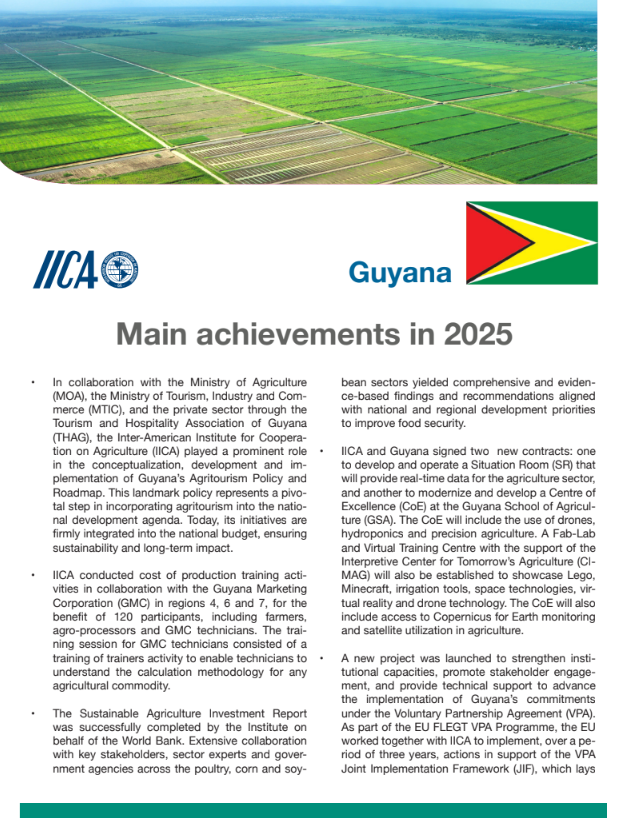
Design of the Situation Room, which allows for real-time monitoring of climate risks and diseases, and the Center of Excellence at the Guyana School of Agriculture (GSA), which serves as a “living laboratory” of Agriculture 4.0.
The Institute fostered the creation of an inclusive digital agricultural ecosystem, by supporting the D-Future Summit:

Organized by CorpoEureka and the Rebbit Group, the event brought together more than 450 participants. It promoted Agriculture 4.0.
It established a high-level platform to facilitate the incorporation of technological solutions into Venezuela’s rural areas.


It strengthened linkages between the private and agriculture sectors and positioned digitalization as a fundamental tool to drive the sustainability and competitiveness of national agriculture.





The PROCISUR Verification and Validation (V&V) Protocol, developed in national pilot cases, was applied. The protocol was adapted to specific technologies, and its relevance under real-world conditions and under a public-private coordination model was evaluated. The project enhanced innovation in the use of digital technologies to improve water management in several countries, namely:
: In collaboration with the EcoAgsus startup, land surveying and topographic studies were conducted, sustainable water management and use was promoted, and issues related to agriculture and ecosystems were addressed.
The Agnest company and EMBRAPA applied the protocol to the solution developed by iCrop – a technology that facilitates informed decision-making based on water and climate data.
Work was conducted with GeoTrace, a company with a system that monitors water conditions to facilitate irrigation assessment, thus strengthening public-private coordination and driving innovation in the use of digital technologies for more precise water management in agriculture.
Within the framework of this network - which was created in 2019 and is comprised of more than seventy young people from the region - a meeting was held in Uruguay to foster exchanges between youth and technical specialists from the NARIs and IICA on technologies and experiences related to sustainable production systems, specifically for family farmers carrying out a mixture of horticulture and livestock farming.
Held as part of Family Farming Day 2025, organized by Uruguay’s NARI, the meeting brought together young people to share their experiences joining the network and to propose discussion topics related to technologies and solutions.
Among the proposed topics were:
Two large events of regional impact were also held, as well as various national projects focusing on strengthening and ensuring the inclusion of rural youth.
Youth in Action: This intensive two-day regional forum for dialogue, inter-learning, and capacity building brought together young rural leaders from nineteen countries in the Americas.
The meeting gave visibility to the proposals and priorities of rural youth, strengthened their leadership and advocacy, and facilitated the development of a regional youth agenda aimed at fostering the inclusive, intergenerational transformation of agrifood systems.
The event consolidated its role as a strategic knowledge-sharing platform. Leaders from Guatemala, Honduras, El Salvador, and Chile shared key innovations for climate change adaptation in the Central American Dry Corridor.
Likewise, the Institute promoted national projects aimed at comprehensively addressing structural aspects that limit rural retention and hinder the development of youth in rural areas, including the following:
The development of a territorial incentives package to drive the growth of the agriculture sector and the inclusion of youth and women, as well as the development of an outreach and awareness-raising campaign on opportunities for the inclusion of rural youth in agriculture were implemented with support from the USDA. Both activities generated complementary results in the Western Highland region.
Through participatory assessments, training processes, and communication-for-development strategies, proposals for territorial incentives tailored to Huehuetenango, San Marcos, and Quetzaltenango were developed.
Positive narratives about agriculture as a viable livelihood and development pathway for rural youth were strengthened, thereby contributing to production inclusion, territorial governance, and a reduction in forced migration.
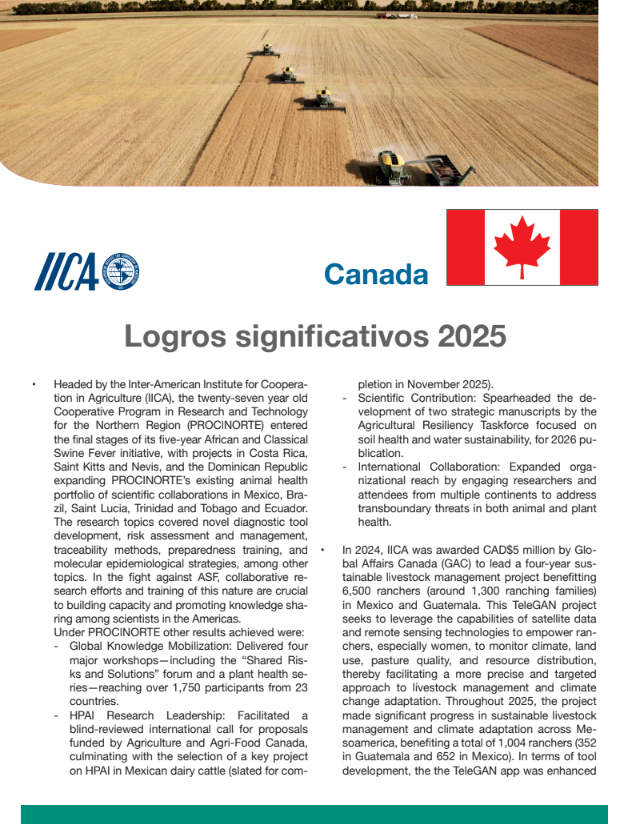
Through the “TeleGAN: Sustainability and Innovation in Livestock Farming”, project, led by the IICA Delegation in Canada and implemented in Mexico and Guatemala, the Rural Women and Youth Program provided specialized technical support in incorporating youth, gender, and inclusion perspectives, and gave strategic visibility to project results.
This assisted in positioning the project as an innovative experience with the potential to be replicated to drive the sustainable and climate-smart transformation of livestock systems.
+ 185 young people, teachers, and 42 parents received training in digital agriculture under the “Five Hundred Green Schools” project, which was delivered within the framework of an agreement with Fundación Universitaria Agraria de Colombia (UNIAGRARIA).
The initiative, geared towards high school students from various institutions in Cauca, Cundinamarca, and Bogotá, strengthened generational succession and technological capacities in the rural sector, by linking school education with agroindustrial innovation.
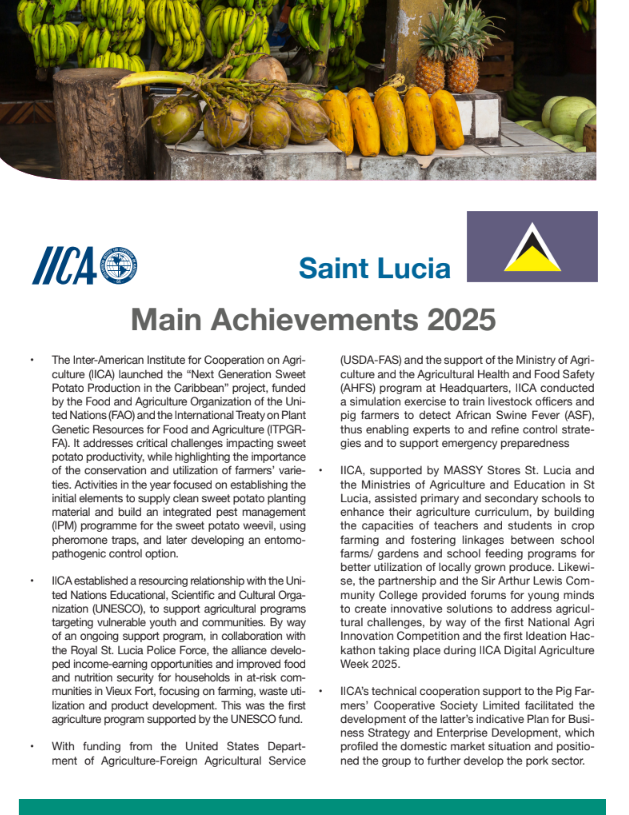
IICA, in partnership with MASSY Stores and the Ministries of Agriculture and Education in Saint Lucia, strengthened food security in schools, by modernizing their agriculture curriculum and fostering linkages between school gardens and local school feeding programs.
These cooperation efforts, which were expanded to include Sir Arthur Lewis Community College (SALCC), fostered youth innovation by way of the first National Agri Innovation Competition and the first Ideation Hackathon, which were held during IICA’s Digital Agriculture Week 2025.
Signing of 389 technical, scientific, and financial cooperation and coordination agreements to benefit the agrifood systems of the Americas. This unprecedented number enhanced IICA’s presence in all the regions, most notably in the following:
The “Friends of IICA” initiative was further strengthened, with the unveiling of fifty-six new logos, thereby enhancing institutional visibility and the commitment of key partners. These developments generated new opportunities for funding, technical cooperation, and participation in global forums.
Consolidation of an institutional partnership monitoring system, which updated information on a monthly basis, generated notifications regarding the termination date of agreements, and systematically disseminated information on formalized instruments.
A tool was also developed to facilitate the management of the project portfolio, indicating the status of proposals and their likelihood of approval.





Verification of recurrent suppliers, with a view to removing any provider involved in prohibited or fraudulent practices from the registry, as a means of protecting institutional resources.
Requests submitted to the Corporate Purchasing Committee were addressed and resolved with an average turnaround time of no more than 24 hours, by applying an efficient and transparent management approach in keeping with the Institute’s regulatory framework.
Implementation of the Integrated Management System (SIG) in Honduras, which facilitated direct interaction with counterparts regarding purchasing/procurement needs, and substantial reduction of the use of paper.
Implementation of the assets system at Headquarters and in the IICA delegations in Colombia, Mexico, Panama, Honduras, and Canada.
Development of artificial intelligence tools to improve the management of institutional risks and projects, laying the foundation for the application of the Institute’s new policy in this area.

The financial austerity of the Institute allowed it to maintain strategic reserves to ensure the continuity of its operations in the event of unforeseen events.

The organization’s robust and diversified investment plan yielded positive returns at the international level.

IICA participated in strategic forums and established new partnerships in the area of climate financing, agribusiness, and carbon markets.

For the seventh consecutive year, the financial statements received a clean opinion in the report of the external auditors – a clear reflection of solid corporate management.

The General Directorate was provided with monthly information regarding the cash flow, by way of business intelligence dashboards, financial scenario building, and cost projections.
The Code of Ethics, Gender Policy, and Policy on the Prevention of Sexual Harassment were fully updated in keeping with the current international framework and best practices in those areas.
Implementation of the Occupational Health and Safety Program to prevent occupational hazards, protect staff well-being, and build a preventive organizational culture.
Implementation of the fourth organizational climate and culture survey, which was completed by 87% of staff members, thus exceeding participation during the previous edition and demonstrating a high level of staff engagement. This facilitated the launch of an institutional action plan.
Provision of training subsidies to fifty staff members, as part of the Institute’s strategic investment in human talent development.
Initiative instituted in five divisions at Headquarters, in a bid to improve synergies, collaborative work, interpersonal relationships, and effective communication.
Strengthening of the competencies of 223 staff members in matters related to leadership, occupational health and safety, the gender perspective, and languages (English and Portuguese).
The institutional repository demonstrates IICA’s ongoing effort to preserve, organize, and provide access to the store of technical and scientific knowledge of the Americas. A structured implementation plan has ensured that the repository is continuously updated for the benefit of all the Member States.
Learn more heredigital publications registered, representing an increase of 995 resources (4.4 %) compared to 2024
knowledge resources generated by the CRIA program, which have increased the availability of technical and scientific information
audiovisual resources
documents of the Institute's governing bodies have been preserved, which are fundamental for institutional transparency and governance

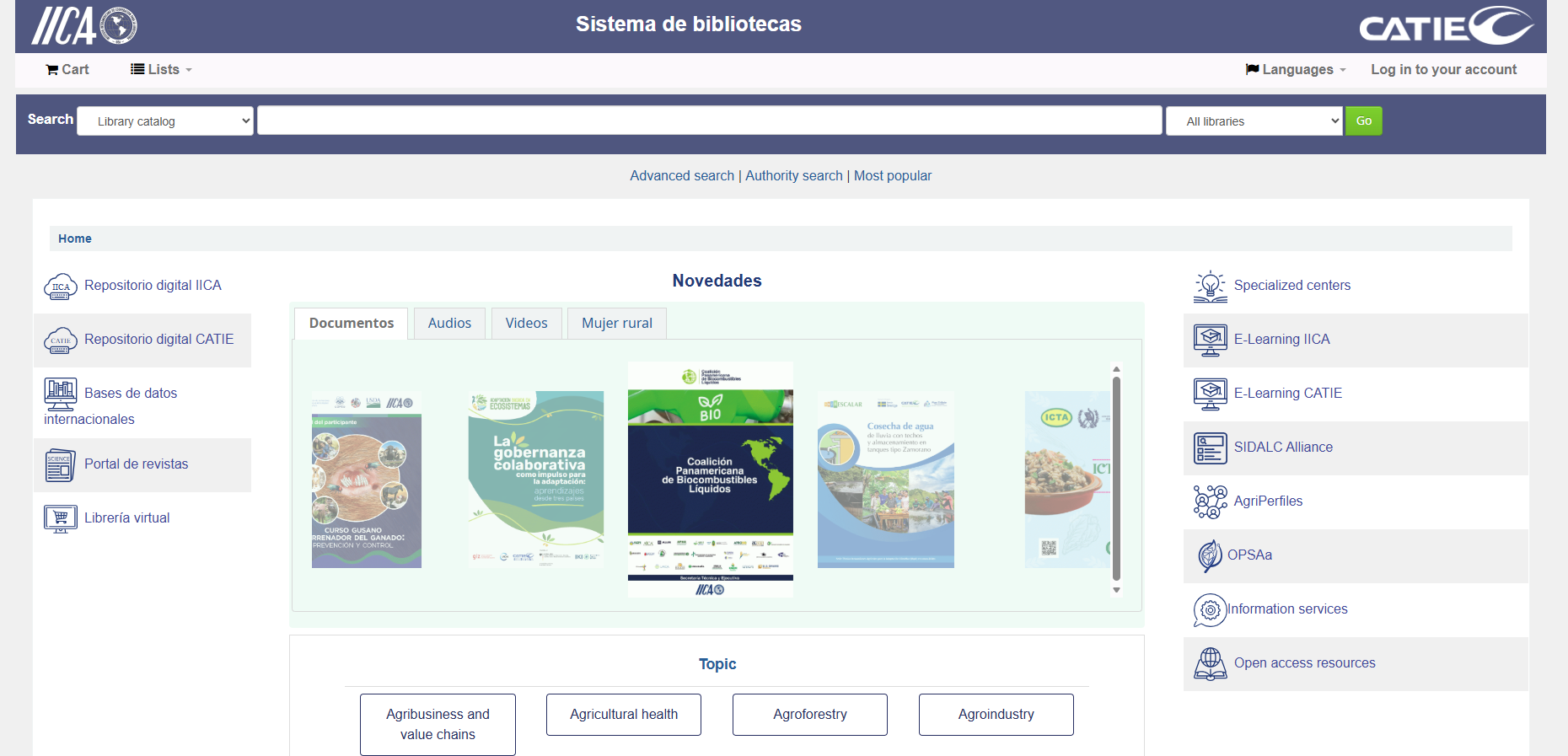
This system consolidated its role as a key platform in the administration and provision of IICA’s library services, bymanaging 152,552 information resources and documents, including bibliographic materials, technical documents, and specialized collections to support technical cooperation, research, and training. The platform facilitates integrated management of library processes, including cataloging, circulation, collection control, and user services, while also providing technological support to the Orton Memorial Library (IICA/CATIE).
Learn more hereSelect a region to explore the significant achievements, by country.